
Equipment
Buying guide: wetsuit, gloves and boots
Wetsuit, semi-dry or drysuit, thickness, size, boots, gloves and hood: types, pros, cons and manufacturers.
For information only: it replaces neither training supervised by a qualified instructor nor medical advice.
In short
Your suit protects you from the cold, the sun and scrapes. The right choice depends on the water temperature, the length of your dives and how sensitive you are to the cold, but above all on fit: a suit that is too loose lets water circulate and no longer protects you. Boots, gloves and a hood complete the protection, especially where the body loses the most heat.
Why it matters
Water cools the body much faster than air. Cold tires you, makes your movements less precise and can push you to cut a dive short. An unsuitable suit also means reviewing your weighting: changing the thickness or type of suit changes the amount of weight you need.
Wetsuits and accessories
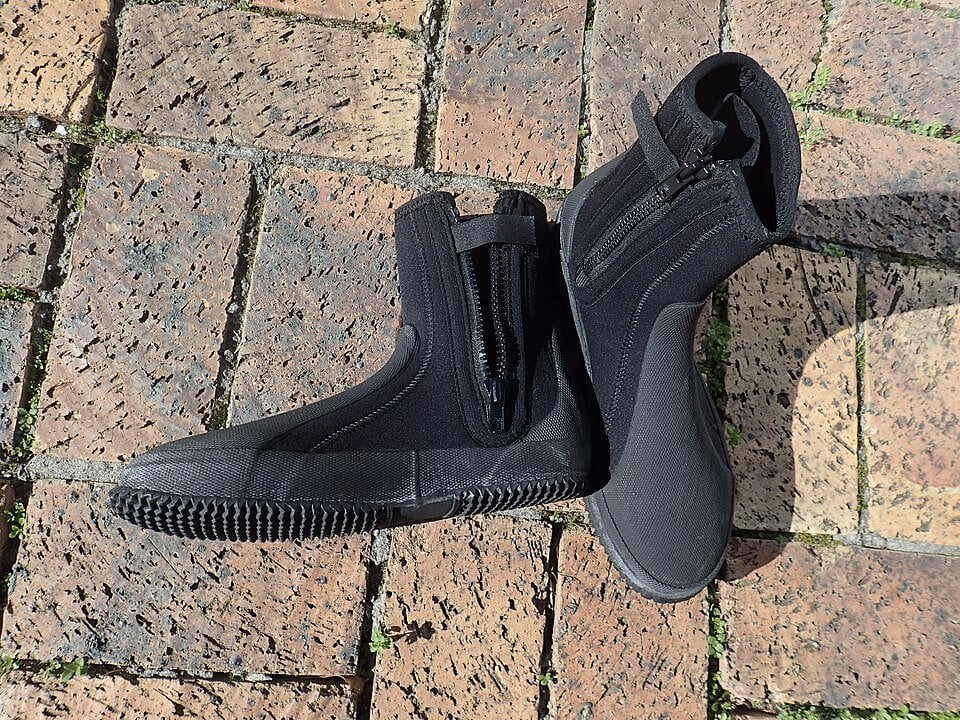
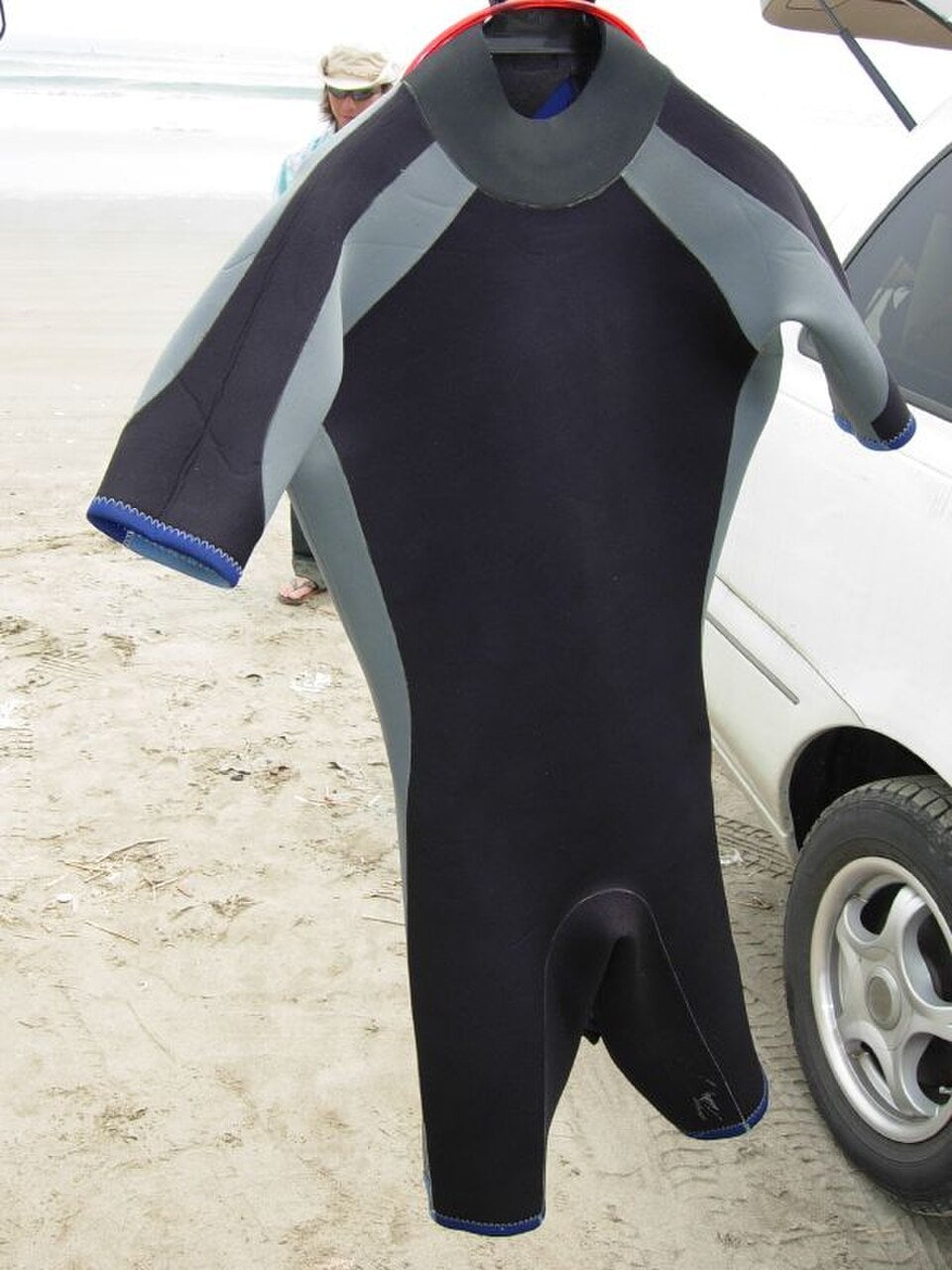
Types of suits
| Type | Principle | Pros | Cons |
|---|---|---|---|
| Shorty, 2 to 3 mm | Short arms and legs | Light, practical in warm water | Limited protection |
| Full wetsuit, 3 to 7 mm | A thin layer of water warms up against the skin | Simple, affordable, no special training | Neoprene compresses at depth and protects less |
| Two-piece (jacket + long john) | Double thickness on the torso | Very warm, modular | More weight, longer to put on |
| Semi-dry, 5 to 8 mm | Seals and zip that limit water entry | Warmer than a wetsuit, no specific training | More expensive, fit is crucial |
| Drysuit | The diver stays dry, with an insulating undergarment | Protection for cold water and long dives | Specific training required, high cost and maintenance |
A drysuit contains a volume of air that changes with depth and is managed as a second buoyancy volume. Only use one after dedicated training.
Thickness by temperature (indicative)
| Water temperature | Common protection |
|---|---|
| Above 26 °C | Shorty or 3 mm full suit |
| 22 to 26 °C | 3 to 5 mm full suit |
| 16 to 22 °C | 5 to 7 mm full suit, with hood |
| 10 to 16 °C | 7 mm or semi-dry, hood, thick gloves and boots |
| Below 10 °C | Drysuit |
These figures vary from person to person, with the duration and with the number of dives in the day. The temperature recorded by your dive computer or watch during previous sessions helps you choose for a site you know.
Materials and finish
- Neoprene: the softer it is, the more comfortable, but it compresses faster over time. A thermal inner lining adds warmth.
- Seams glued then blind-stitched to limit water entry.
- Zip at the back (easier to put on) or at the front (more watertight, you can put it on alone).
- Reinforcements at the knees and shoulders, useful on the boat and for carrying the cylinder.
- Drysuit: membrane (trilaminate, light, dries quickly, insulation from the undergarment) or neoprene (more insulating, heavier). Latex or silicone seals, integrated socks or boots.
Choosing the size
- The suit must be close to the body without restricting your breathing or your arm movements.
- No air pockets in the small of the back, under the armpits or behind the knees.
- Try it on in a diving position: arms stretched forward, crouching.
- Sizes differ from one manufacturer to another; several offer women's, long or short sizes, or even made-to-measure.
Boots, gloves and hood
| Accessory | Selection tips |
|---|---|
| Boots | 3 to 7 mm; stiff sole for walking on rocks, soft for wide full-foot fins; with or without a zip |
| Gloves | 1.5 to 3 mm in temperate water, 5 mm or more in cold water; three-finger or mittens for very cold water; check whether they are allowed at protected sites |
| Hood | Essential below about 18 to 20 °C; with a bib to tuck under the suit; a hood that is too tight restricts breathing |
| Neoprene vest or top | Extra layer under the suit for more warmth on the torso |
A few manufacturers
Non-exhaustive list, in alphabetical order, with no ranking and no sponsored link. Generalist manufacturers offer wetsuits and accessories; thermal protection specialists also offer drysuits and undergarments. Check their current range on their website.
| Manufacturer | Official website | Range |
|---|---|---|
| Aqualung | aqualung.com | Generalist |
| Bare | baresports.com | Specialist (wetsuits and drysuits) |
| Beuchat | beuchat.fr | Generalist |
| Cressi | cressi.com | Generalist |
| Fourth Element | fourthelement.com | Specialist (wetsuits, drysuits, undergarments) |
| Mares | mares.com | Generalist |
| Santi | santidiving.com | Specialist (drysuits, undergarments) |
| Scubapro | scubapro.com | Generalist |
| Seac | seacsub.com | Generalist |
| Waterproof | waterproof.eu | Specialist (wetsuits and drysuits) |
Key takeaways
- Choose according to the water temperature, the length of your dives and how sensitive you are to the cold.
- Fit comes first: a suit that is too loose does not protect you.
- Hood, gloves and boots greatly reduce heat loss.
- Changing suits means redoing your weight check.
- A drysuit requires specific training.
Further reading
The thermal protection guide explains heat loss and what to do when you feel cold; the weighting guide helps you adjust your weights after changing suits. The diving clothing guide presents undergarments and surface wear.
Sources
- DAN Europe – Divers Alert Network Europe (diver health and safety) · consulted on 9 November 2026
- FFESSM – French Federation for Underwater Studies and Sports · consulted on 9 November 2026
Related guides
Buying guides: getting equipped to dive
Where to start, buying or renting, trying on, new or used, budget and maintenance: the method shared by all the diving equipment buying guides.
Exposure suits and thermal protection
Why you get cold underwater, wet, semi-dry and dry suits, accessories, effect on weighting and what to do when you feel cold.
Weighting and buoyancy
Archimedes' principle, finding the right weight, belt or integrated weights, buoyancy control with the BCD and the lungs, and the risks of poor weighting.
Buying guide: diving clothing
Rash guards and UV tops, undersuits, drysuit undergarments, changing robes and boat coats: what they are for, how to choose them and a few manufacturers.
Buying guide: fins
Full-foot or open-heel fins, soft or stiff blade, split or channelled: types, pros, cons, sizing and manufacturers.